Silfradent Asia
  • Home
    • News
    • Opinion Leaders
    • Silfradent Academy & Events
  • Medifuge
    • Kit Medifuge
    • CGF BOX
    • Application of the CGF
    • Application of the GCF with Juventute cream
    • General Video and Brochure
    • Dental Treatments
    • Cosmetic Treatments
    • Dermatology Treatments
    • Other Treatments
    • Scientific articles
  • Apag
    • Application of the Apag
    • Hair Loss Treatment of the Apag
    • Information booklet
    • Scientific Articles
  • Round up
    • Video and Brochure
  • Surgybone
    • Application of the Surgical Piezo
    • Dental Video and Brochure
    • Orthopedic Surgery Video and Photos
    • Scientific Articles and Poster
  • Easybone
    • General Brochure
  • X products
    • TEST 8
    • Juventute and cosmetics accessories
    • Surgery Light
    • Equipment for Dental Laboratories
  • Contact
  • Medifiuge Diagnostic

APAG and the Blood Phase Separator

How does this work?
In a new wound, platelets are the first cells which arrive. They aggregate to stop the bleeding and then release substances (growth factors, cytokines, chemokines) to activate the healing process in a natural way.  In wounds in which there is no complete healing, the mechanism of release of these substances from platelets may be interrupted. 

Healing Process: 
The wound is first filled by a blood clot, whose meshes of fibrin contain red blood cells and leukocytes; in the surrounding tissue there is a rapid inflammation with exudate formation, fibrin deposits and infiltration of neutrophils.  The inflammation is then followed by the healing process that begins at the margins of the wound where the original tissue is in contact with the blood clot Macrophages exert an important function because they invade the clot and remove degrading red blood cells, fibrin and cellular deposits. 

​A.P.A.G. 
​It's simple and quick to prepare and apply, can be applied in the Doctors Office.  The doctor takes a small amount of peripheral blood of the patient with sterile vacuum tubes without exogenous substances, using the separator of blood components "Medifuge" after about 14 min (separation occurred) we notice three components.  It is taken from the tube, with different syringes:  Interface 0,7 ml CD34+  Interface 2 ml PRP  Remaining 2 ml PPP  Take 1ml PPP in syringe of 2,5 ml and insert into the anti-static and anti-magnetic heating denaturalizer; you get the denaturalization of albumin after 10/12 minutes, then let stand the content of the syringe in the absence of heat and absence of direct light for 10 minutes and you get APAG.  Mix 1ml of A.P.A.G. with 0,3 ml CD34+, 0,2 ml PRP, 0,2 ml ascorbic acid, mix for 30 steps syringe to syringe using the 3-way mixer.  The gel is applied over the entire wound, which will then be covered with an autologous membrane. The autologous membrane is always obtained from the same blood sample and same separation process: the blood collected is placed in a sterile vacuum tube different from the previous.  With red test tubes we can obtain a separation in solid phase, from which a membrane is formed; strong, elastic and suturabile of about 1.5 x 2.5 cm.  The membrane stimulates the growth of the epithelium on the wound.  In no compressive bandage, the membrane accompanies and helps to overcome the inflammatory process. 

​Applications  
A.P.A.G. – PRP – CD34+, in 10 days - 45/50 years old patient - “3 applications“  
A.P.A.G. – PRP – CD34+, in 10 days - 51/61 years old patient - “3/4 applications“  
A.P.A.G. – PRP – CD34+, in 10 days - 65/80 years old patient - “5 applications“  
Growth of granulation tissue in 7 days = 50% contrition wound – volume reduction of 90%.  
Matrix for definitive closure with an excellent nutritional support  Performed 2 times per week for 8 weeks to 12 weeks.  
A process of new cells and differentiation into specialized structures of the tissue itself, originates from the healing tissue (which constitutes an important barrier against infection).  
The final result of the healing process depends on the relative contribution of the repair and regeneration; if the wound suffers a microbial contamination during this process has much less chance of healing that is prolonging the stage of infection.


Guided Healing Method: 
Most treatments only serve to stanch the wounds and are rarely effective in depth to the interior where healing is stalled. A.P.A.G. + PRP + CD34+ : is a semi-fluid gel with autologous platelets of the patient. it takes the shape and the size of the wound. This stimulates the formation of new tissue in the entire wound, three-dimensionally and helps to reduce the volume in a short time, reducing the pain, the possibility of infection and thus promoting healing. 

​What is “ A.P.A.G.” Gel?  
It is derived from a sample of peripheral blood from the same patient; Skin ulcers and wounds that do not heal can have a significant impact on quality of life.  Denaturalized Albumin with: Platelets , Cells CD34+ - autologous healing agents that stimulate the natural auto-healing induced starting from the wound bed with slow "Biphasic" release - prolonged by growth factors.  
^ Gel- Plasma rich of platelets ( PPP Denaturalized Albumin A.P.A.G. + PRP + CD34+ ) for the treatment of chronic wounds and other.  
^ It can be used for the treatment of exudative wounds, ulcers of the upper-lower extremities , pressure sores and diabetic ulcers.  
^ It is a “Scaffold” of natural fibrin (derived from plasma) which acts as a scaffold for the adhesion of new cells.  
^ The results are visible in a few days and not weeks.  
^ Promotes the healing process of wounds from post surgical trauma. ^ It helps to manage mechanically or surgically debrided wound (helps healing).  
= Ulcers in Diabetics  
= Vascular ulcers  
= Decubitus ulcers  
= Post Traumatic ulcers  

Closed Wounds  
^ With the use of A.P.A.G. and autologous growth factors PRP and CD34+, the healing 81,3% of the cases – 7 cm• diabetic ulcer recovered in 6,2 weeks .  
Without the use of autologous growth factors, the healing is 42,1% of the cases – 7 cm• diabetic ulcer recovered in 32 weeks .  
^ Reduction from baseline in less than 1 month - healing 2/3 months maximum of recurrent ulcer 1 year- chronic  
^ Effective in diabetic foot of 1st and 2nd grade.

Membrane Effects  
^ Antipyretic: it gives relief without burning  
^ Analgesic: it reduces pain, even in depth  
^ Moisturizing: it promotes blood fluid retention in the tissues               
^ Fungicidal: it inhibits the growth of fungi  
^ Hemostatic: it reduces bleeding  
^ Bactericidal: it hinders the growth of bacteria 
^ Virustatic: it hibits the growth and development of viruse  
^ Detoxifying: it helps the tissue detoxification from previous chemical and pharmacological treatments  
^ Proteolytic and Cicatrizant: it enzymatically dissolves and absorbs dead or damaged cells, stimulating the regeneration process.

Contraindications 
​Do not perform on patients who are under chemotherapy, malignancy in the wound area, Emoglubina 10.5 g / o / l, Serum albumin 2.5 g / or / l, Platelets 100x10 g / l, Wounds declared clinically infectious.  Appliaction in Aesthetic - Cosmetic and Surgical, Odonto Dental and Maxillo - Facial. etc. will follow. 


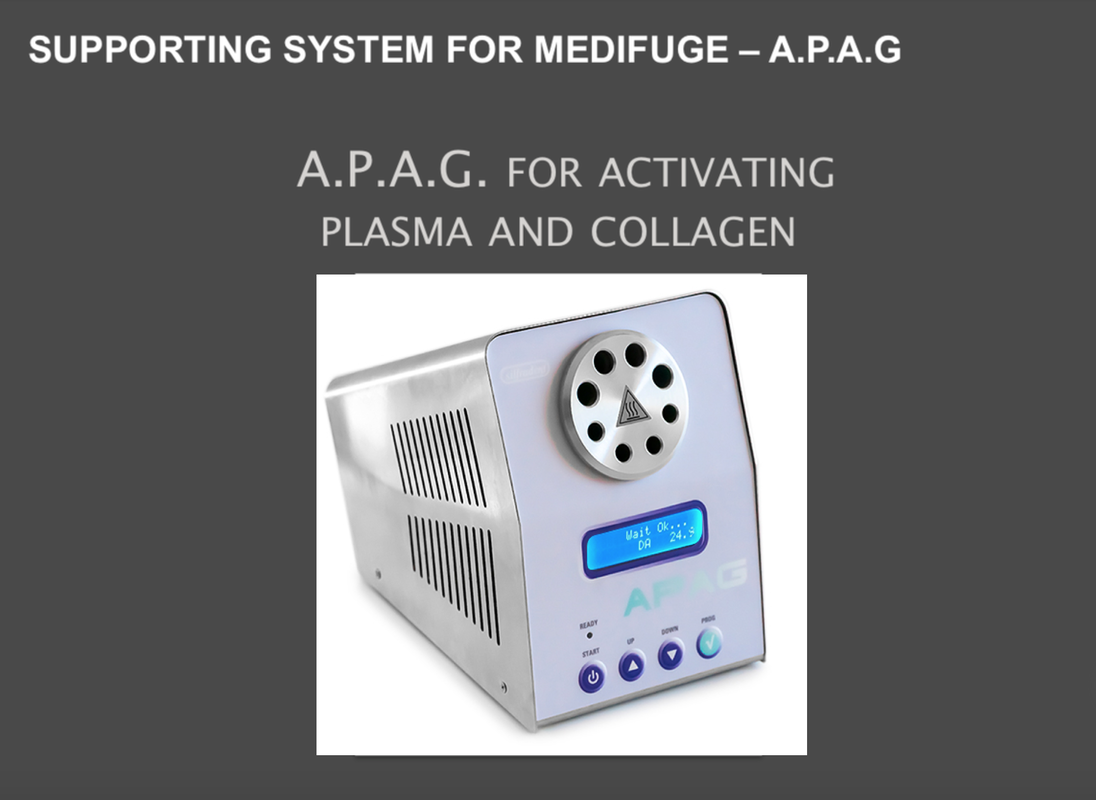
SUPPORTING SYSTEM FOR MEDIFUGE – A.P.A.G.

The A.P.A.G. system is a support device designed to activate plasma and collagen. When used in combination with the Medifuge centrifuge, it allows for the creation of activated plasma albumin gel, enhancing regenerative and aesthetic outcomes.


Picture

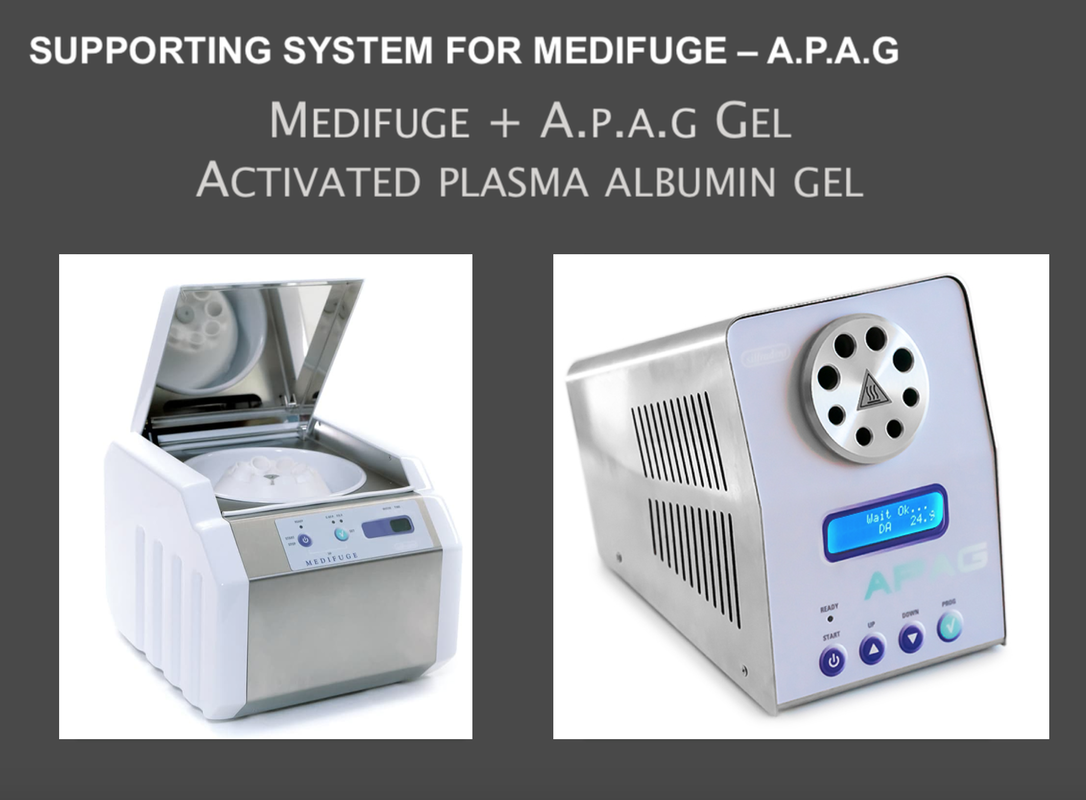
MEDIFUGE + A.P.A.G. GEL: Activated Plasma Albumin Gel

The Medifuge and A.P.A.G. combination enables the production of A.P.A.G. Gel (Activated Plasma Albumin Gel), an autologous biocompatible filler. Medifuge separates the blood components, and A.P.A.G. activates them through controlled heating.
Picture
Picture

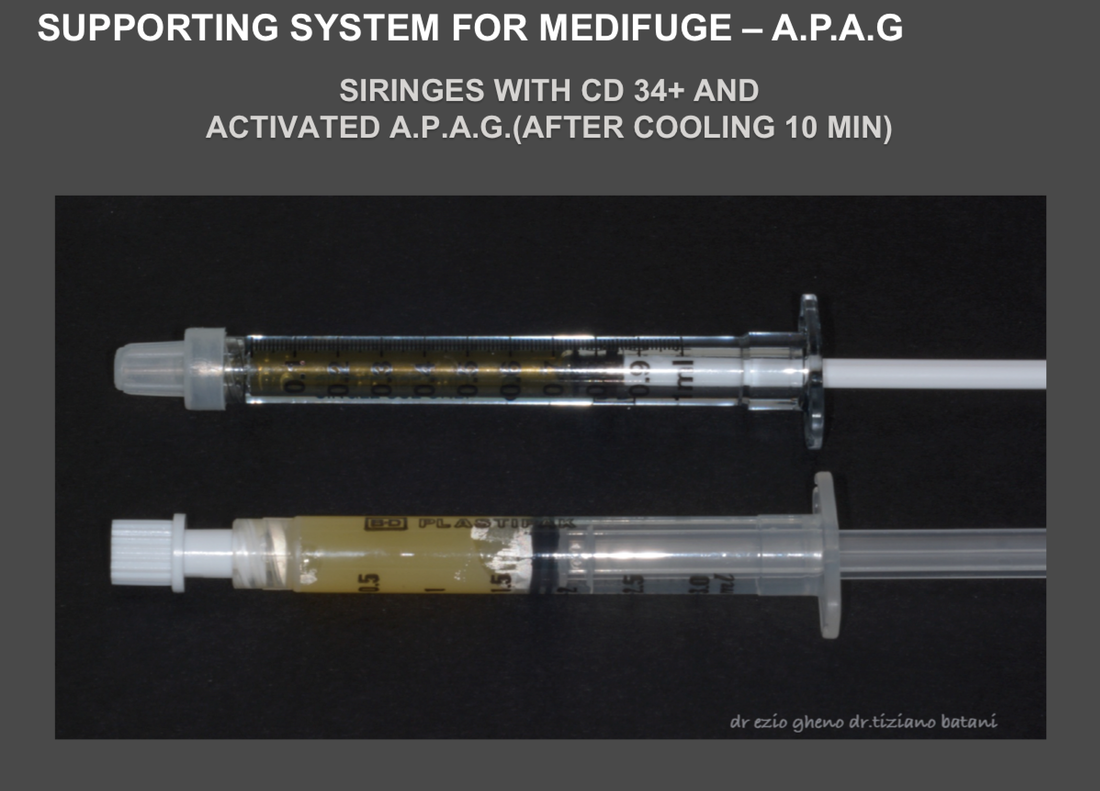
Syringes with CD34+ and Activated A.P.A.G. (after cooling 10 min)

After separation and thermal activation, the syringes contain a ready-to-use mixture of CD34+ cells and cooled A.P.A.G. gel (after 10 minutes of cooling). This product is ideal for regenerative procedures and natural filler treatments.
​

Picture

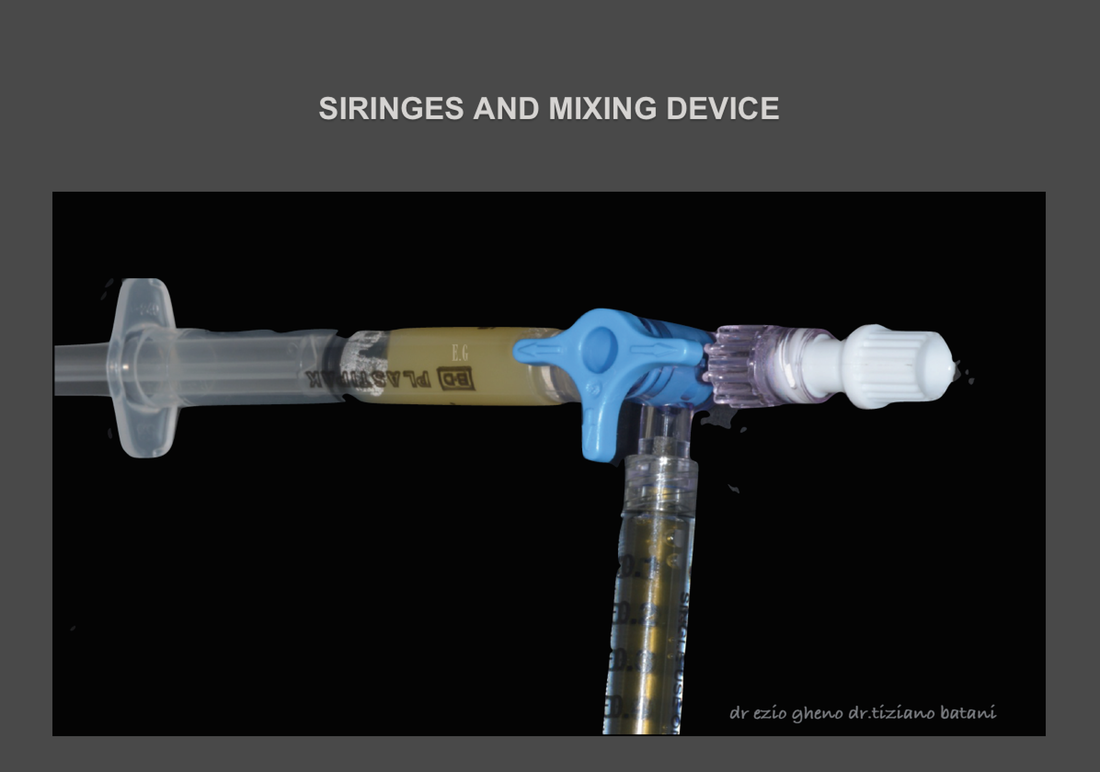
Syringes and Mixing Device

The dual-syringe mixing system allows for thorough blending of components to obtain a uniform and homogenous filler. This step ensures optimal consistency and clinical results during injection.
​

Picture

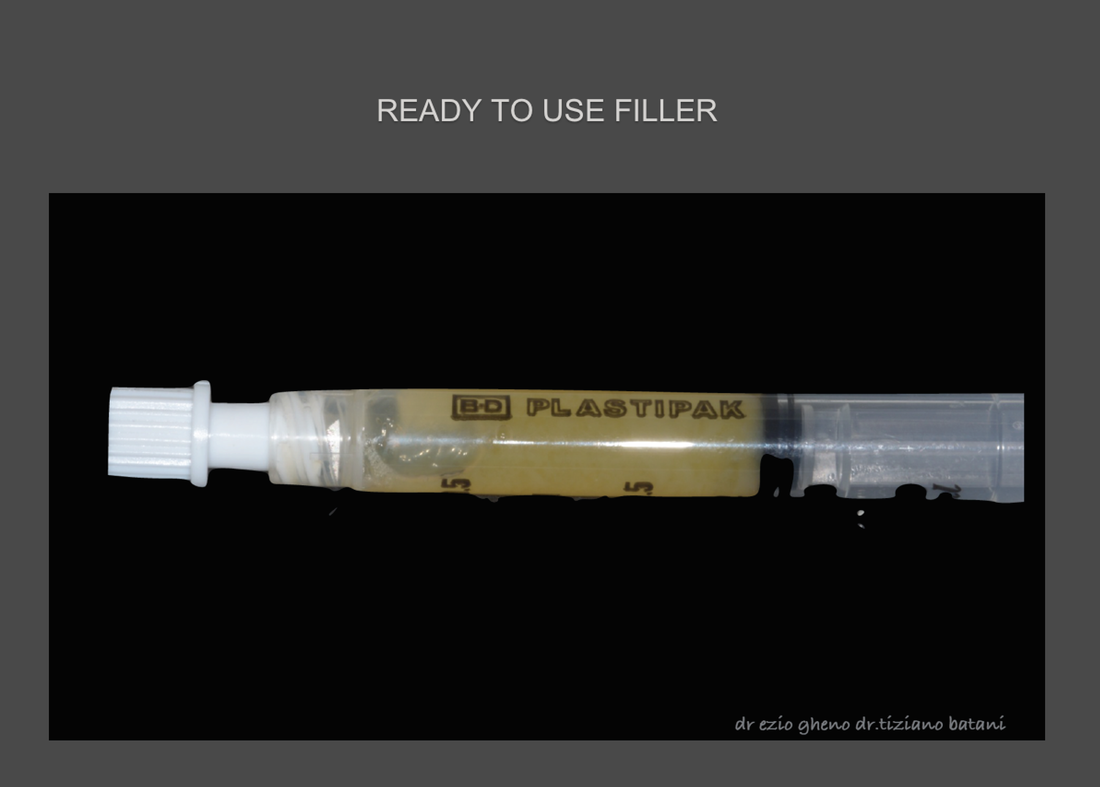
Ready to Use Filler

The final product is a fully biocompatible autologous filler, ready for immediate use. It is used in aesthetic and regenerative medicine for volume restoration, wrinkle treatment, and scar remodeling.
​

Picture

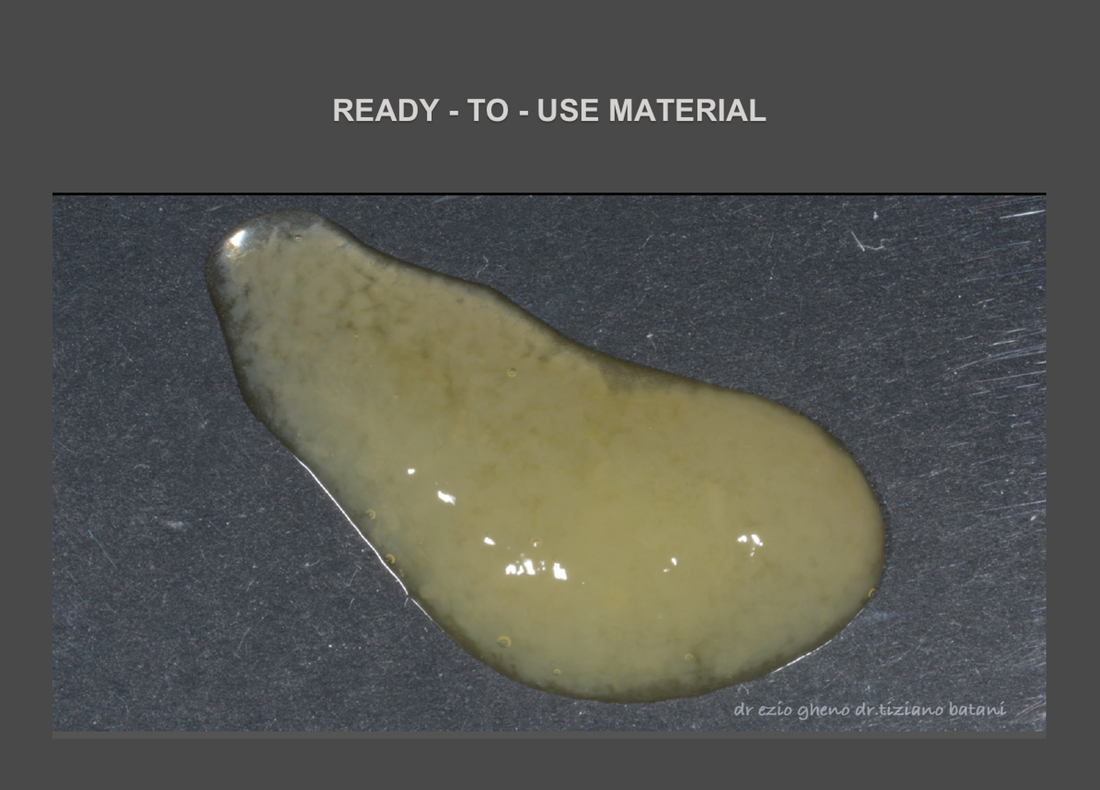
Ready-to-Use Material

The final material has a stable, gel-like texture obtained through a controlled heating and cooling process. This gel can be used as a filler or regenerative material, suitable for both facial and medical applications.
​

Picture

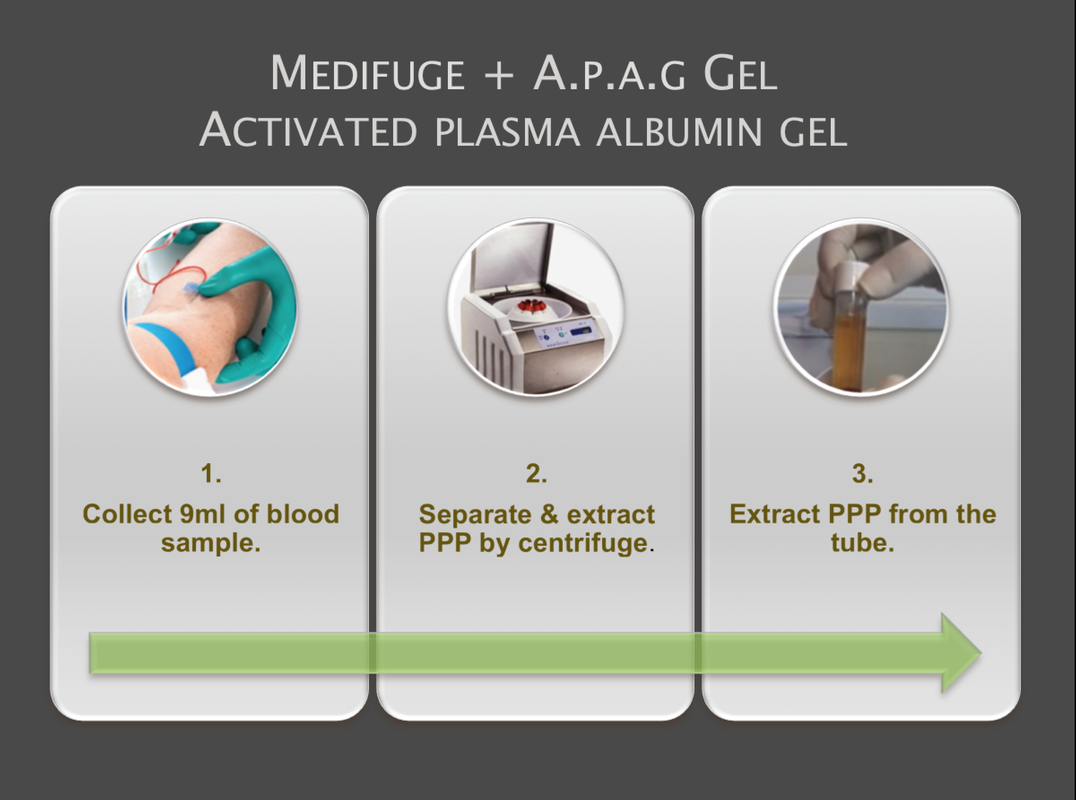
Step-by-step Workflow: MEDIFUGE + A.P.A.G. GEL

  1. Collect 9 ml of venous blood from the patient.
  2. Centrifuge the sample using the Medifuge to separate platelet-poor plasma (PPP).
  3. Carefully extract the PPP from the tube, ready for denaturation.
    ​


Immagine

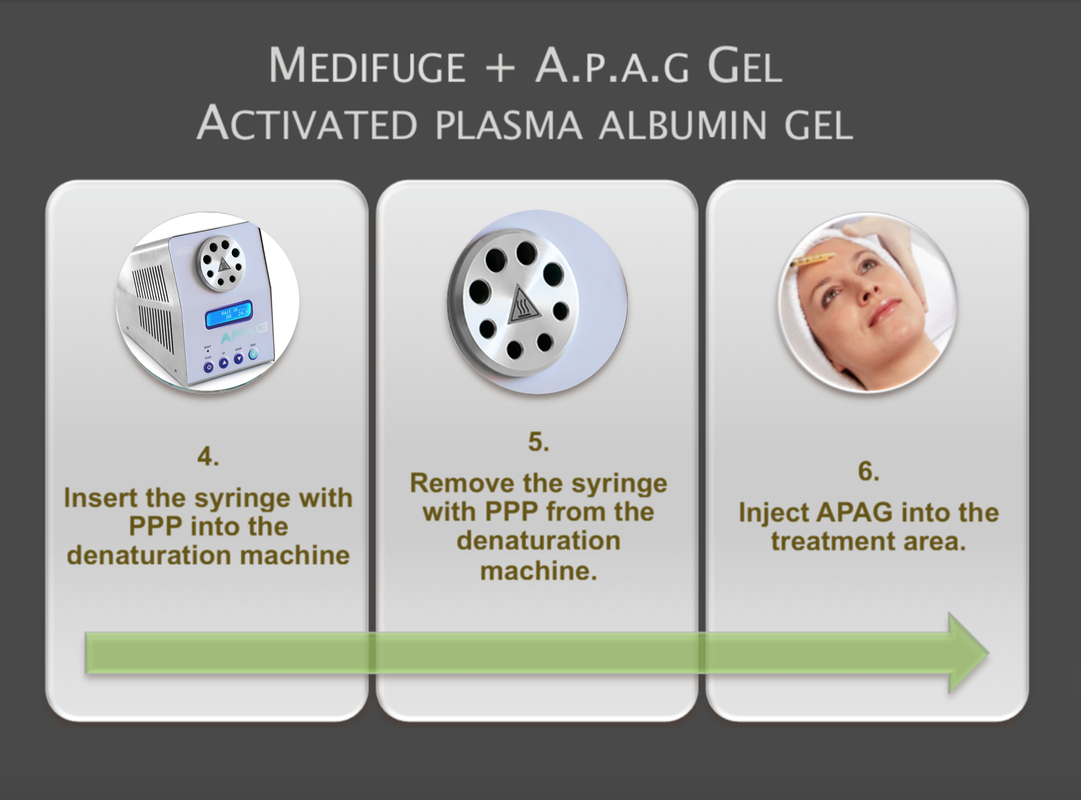
Denaturation and Application

4. Insert the syringe containing PPP into the A.P.A.G. denaturation machine.
5. After the thermal cycle, remove the syringe.
6. The activated A.P.A.G. gel is now ready to be injected into the treatment area.


Immagine
Click here to edit.

Denaturation Process – Controlled Thermal Activation

The A.P.A.G. system transforms plasma into a biocompatible gel suitable for injection and wound care through a precise heating process.
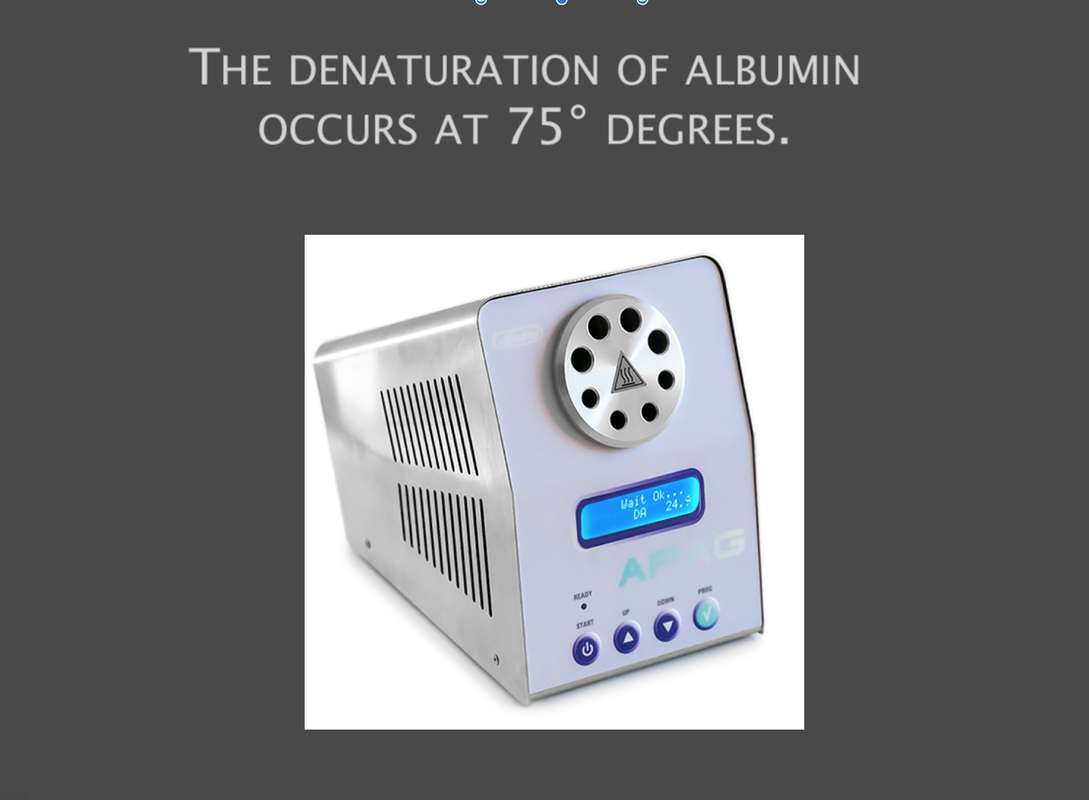
Albumin denaturation occurs at 75°C, altering the protein structure and enabling the creation of a stable, injectable matrix.

​

Two-Phase Gel Formation Mechanism

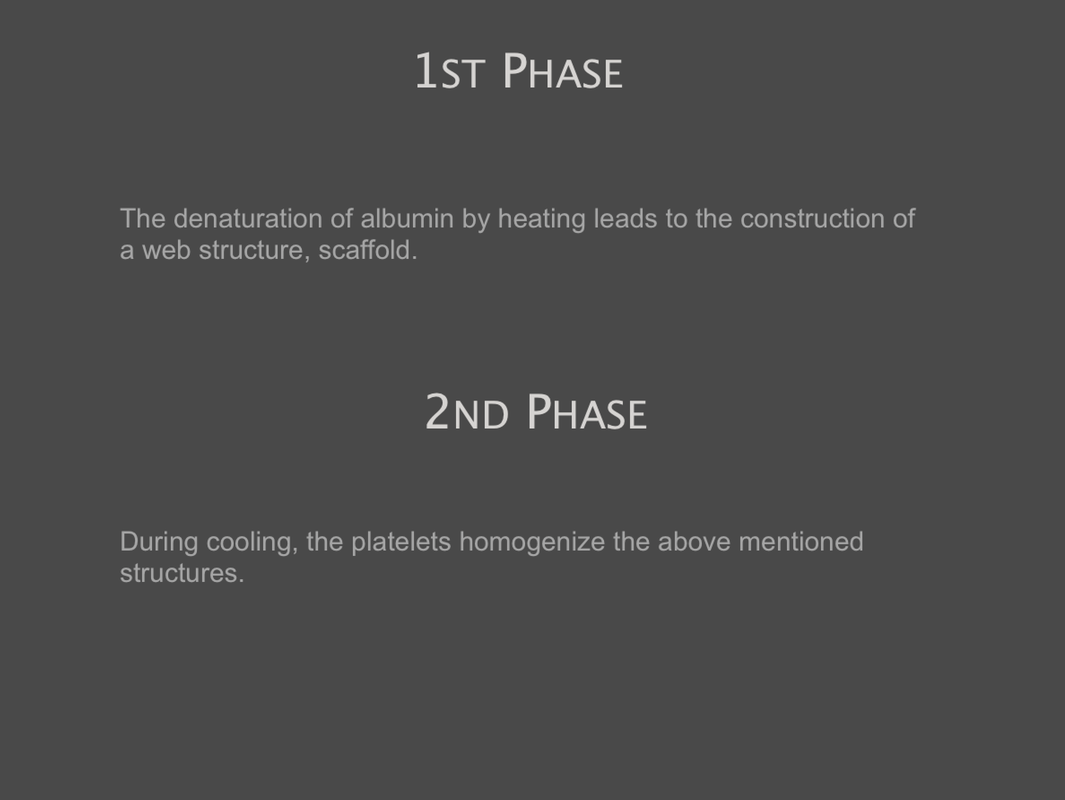
​1st Phase: Denaturation & Scaffold Creation                                                                                                                                                              Heating the albumin leads to protein unfolding, forming a web-like structure (scaffold) ideal for tissue regeneration. 
​2nd Phase: Platelet Integration                                                                                                                                                                                        During the cooling period, platelets merge with the matrix, enriching it with growth factors and optimizing its regenerative capacity.                                                                                                                                

Wound Healing with Autologous Membrane

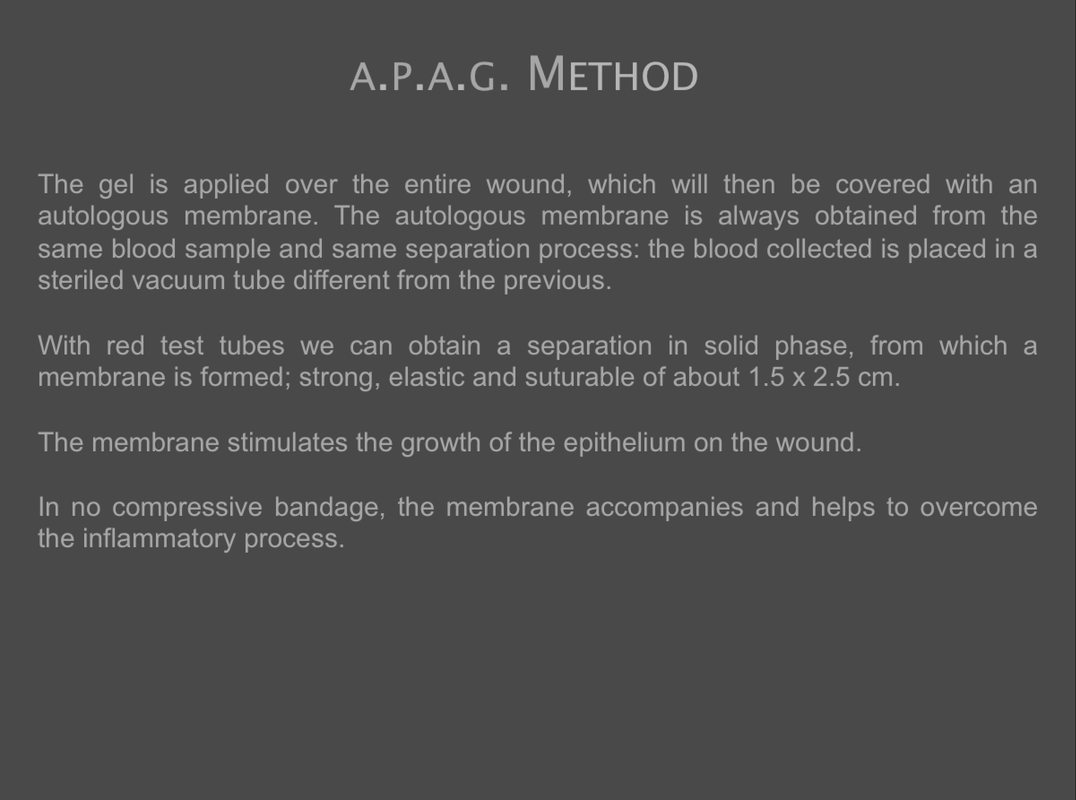
Once activated, the gel is applied directly to the wound site and covered with an autologous membrane obtained from the same patient’s blood via specific centrifugation.
This membrane:
  • Is strong, elastic, and suturable (approx. 1.5 × 2.5 cm).
  • Promotes epithelial growth and skin regeneration.
  • Can be used without compressive dressing, supporting natural healing and reducing inflammation.

Autologous Blood Component Separation

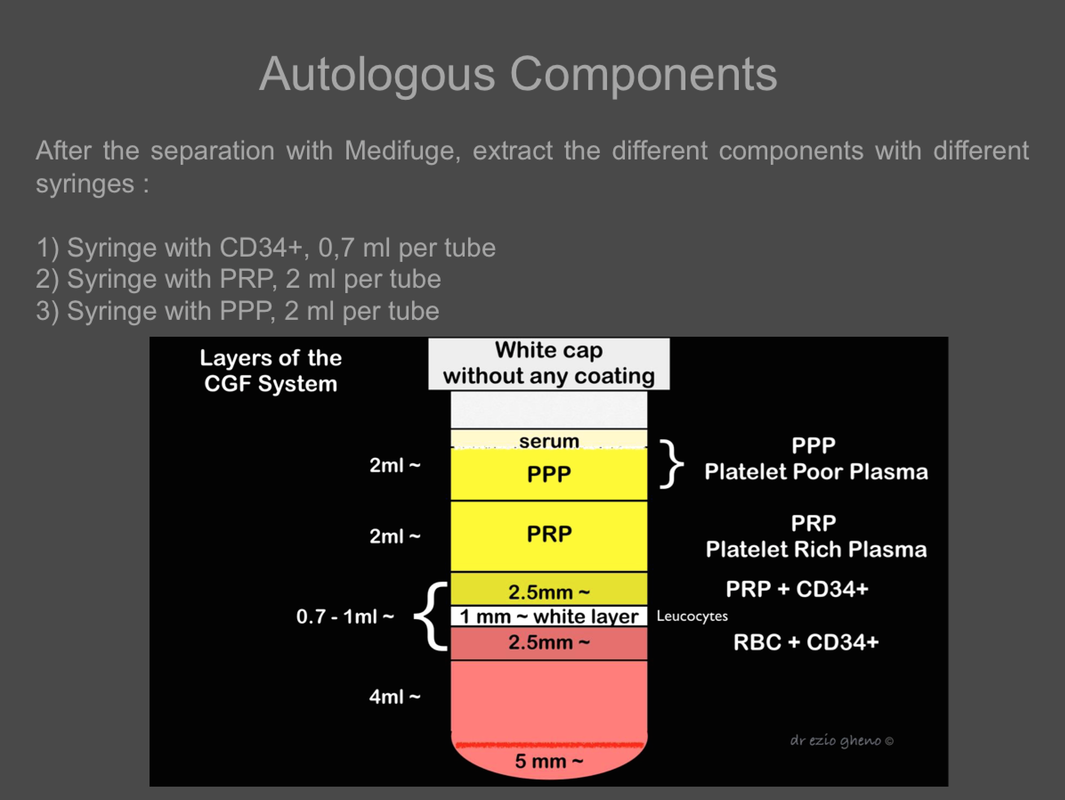
After centrifugation with Medifuge, various biologically active components are isolated using separate syringes:
  • CD34+ Stem Cells – 0.7 ml (rich in regenerative potential)
  • PRP (Platelet Rich Plasma) – 2 ml (enhances tissue healing)
  • PPP (Platelet Poor Plasma) – 2 ml (used for A.P.A.G. Gel preparation)
Each layer is clearly visible and can be extracted thanks to the CGF separation system, ensuring high purity and clinical effectiveness.

Picture

Clinical Applications – Joint Infiltrations & Aesthetic Use

The A.P.A.G. gel and other autologous derivatives can be used for intra-articular and peri-articular injections in orthopedic treatments, as well as in aesthetic and dermatological procedures.

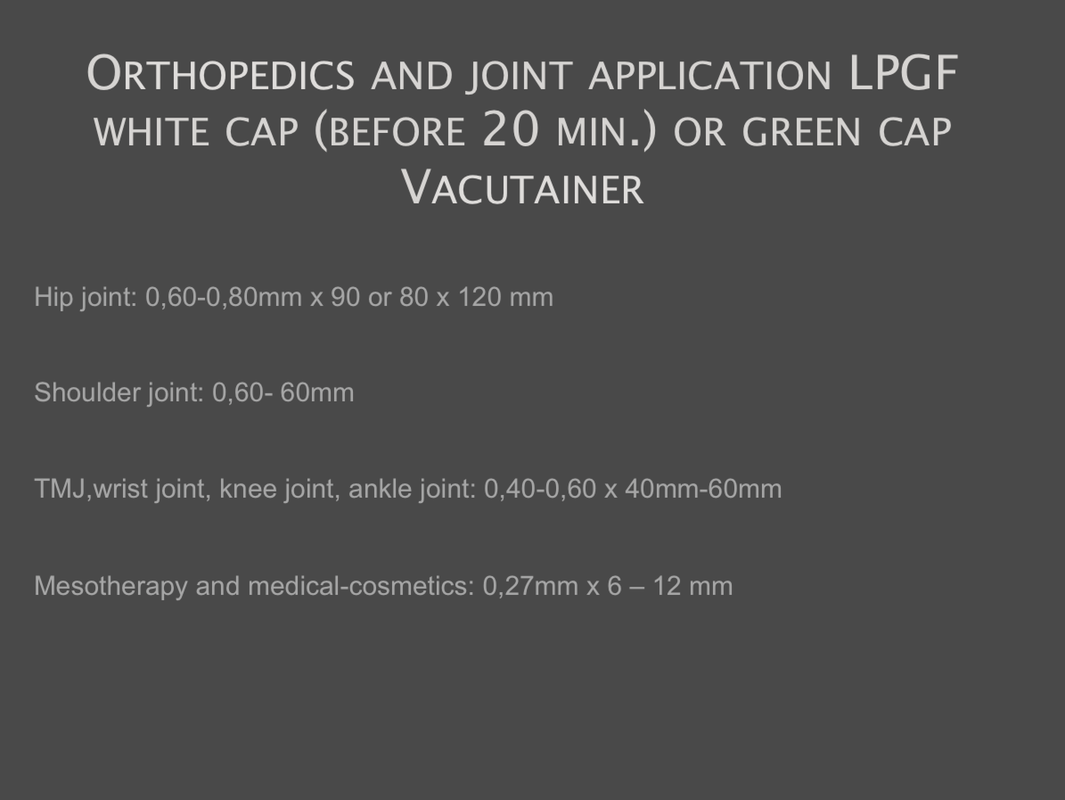
​Recommended Vacutainers:
  • LPGF white cap or green cap
  • Use within 20 minutes of collection

Suggested Needle Sizes by Area:
  • Hip joint: 0.60–0.80 mm × 90 or 80 × 120 mm
  • Shoulder joint: 0.60 × 60 mm
  • TMJ, wrist, knee, ankle: 0.40–0.60 × 40–60 mm
  • Mesotherapy & cosmetics: 0.27 mm × 6–12 mm
Proudly powered by Weebly